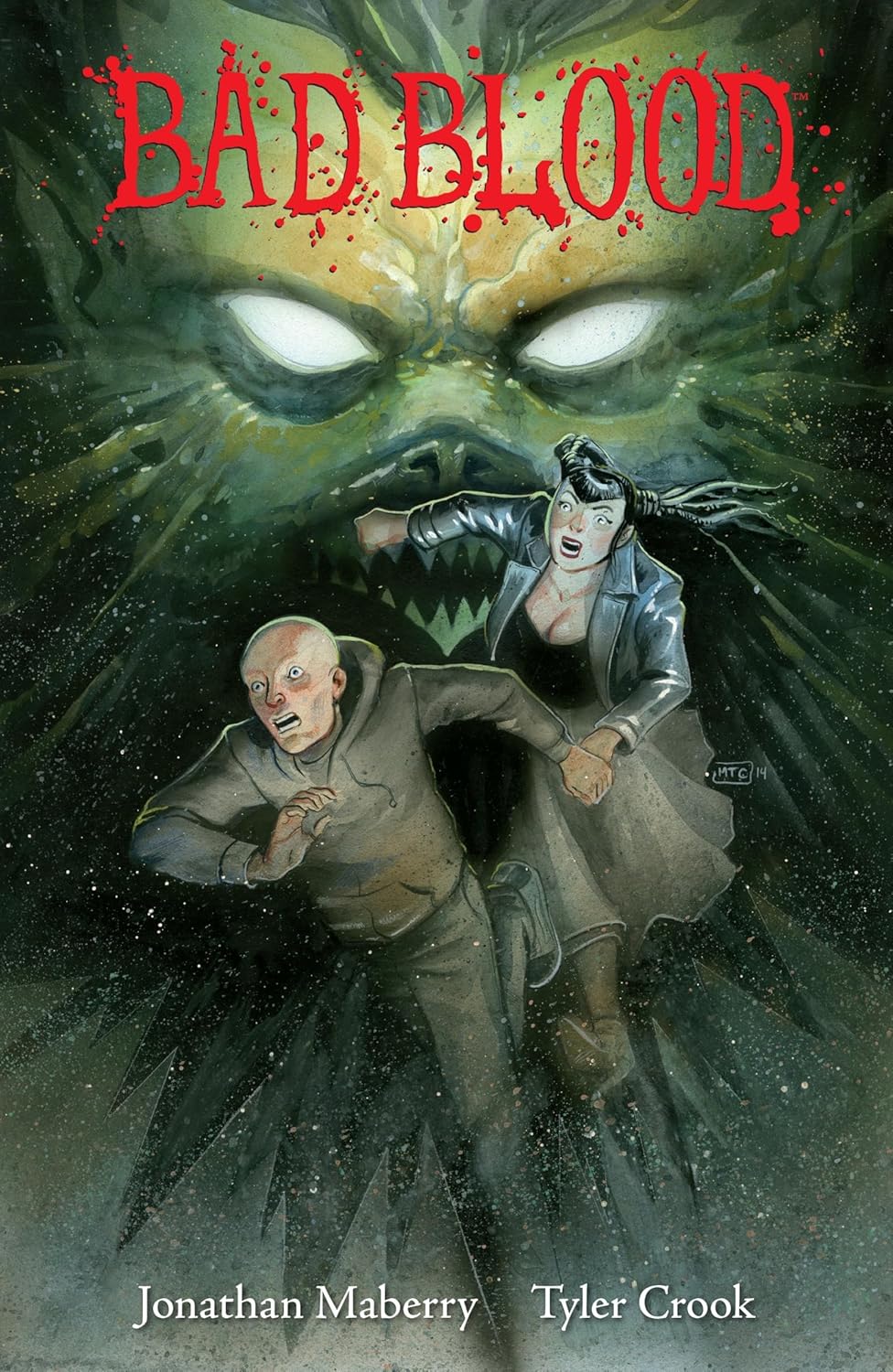
Bad Blood
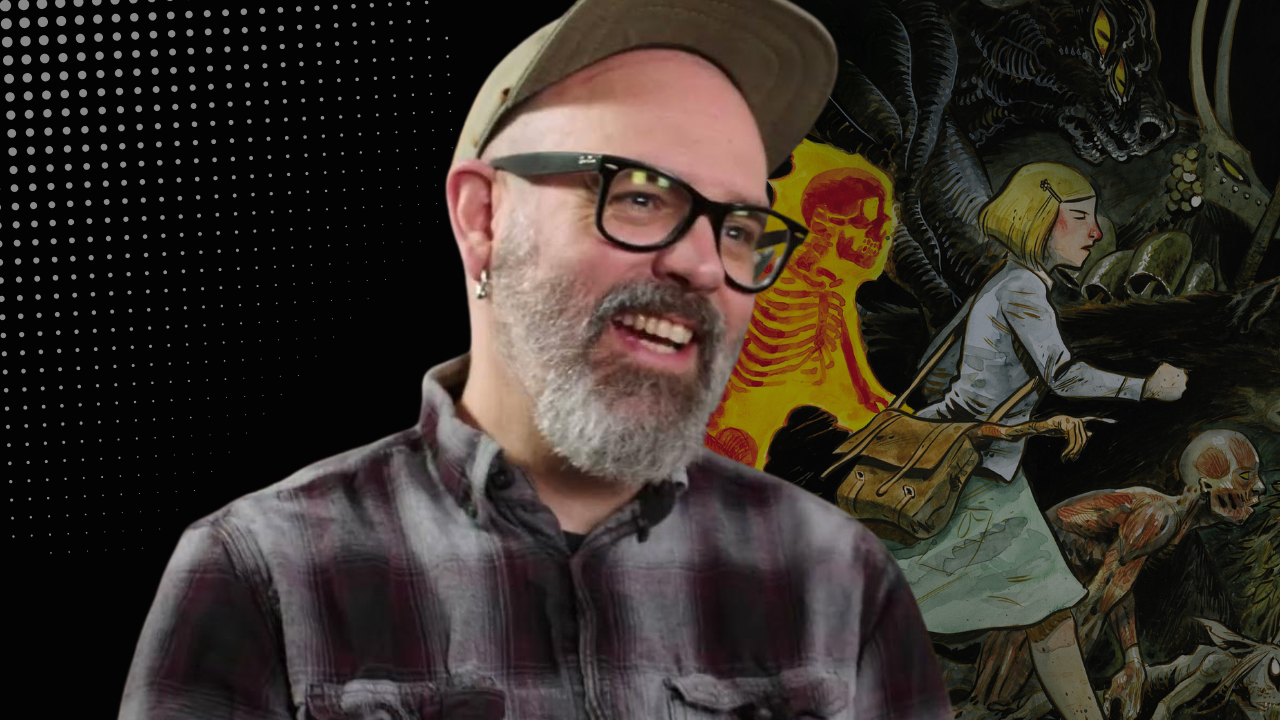
Tyler Crook joins Splash Pages for a career-spanning conversation about Petrograd, Bad Blood, Harrow County, The Lonesome Hunters, and Out of Alcatraz, along with the watercolor process and world-building details that define his work.
I think the reason I was able to do this book was because I went in overly confident, and then my confidence dropped at the same rate that the pages were coming out. So by the time I was like, I could not do this, the book was done. Luckily, I went in stupid. So I could come out smart, hopefully.
Tyler Crook on Splash Pages Comic Book Club
Bad Blood came up as part of the conversation in this episode.
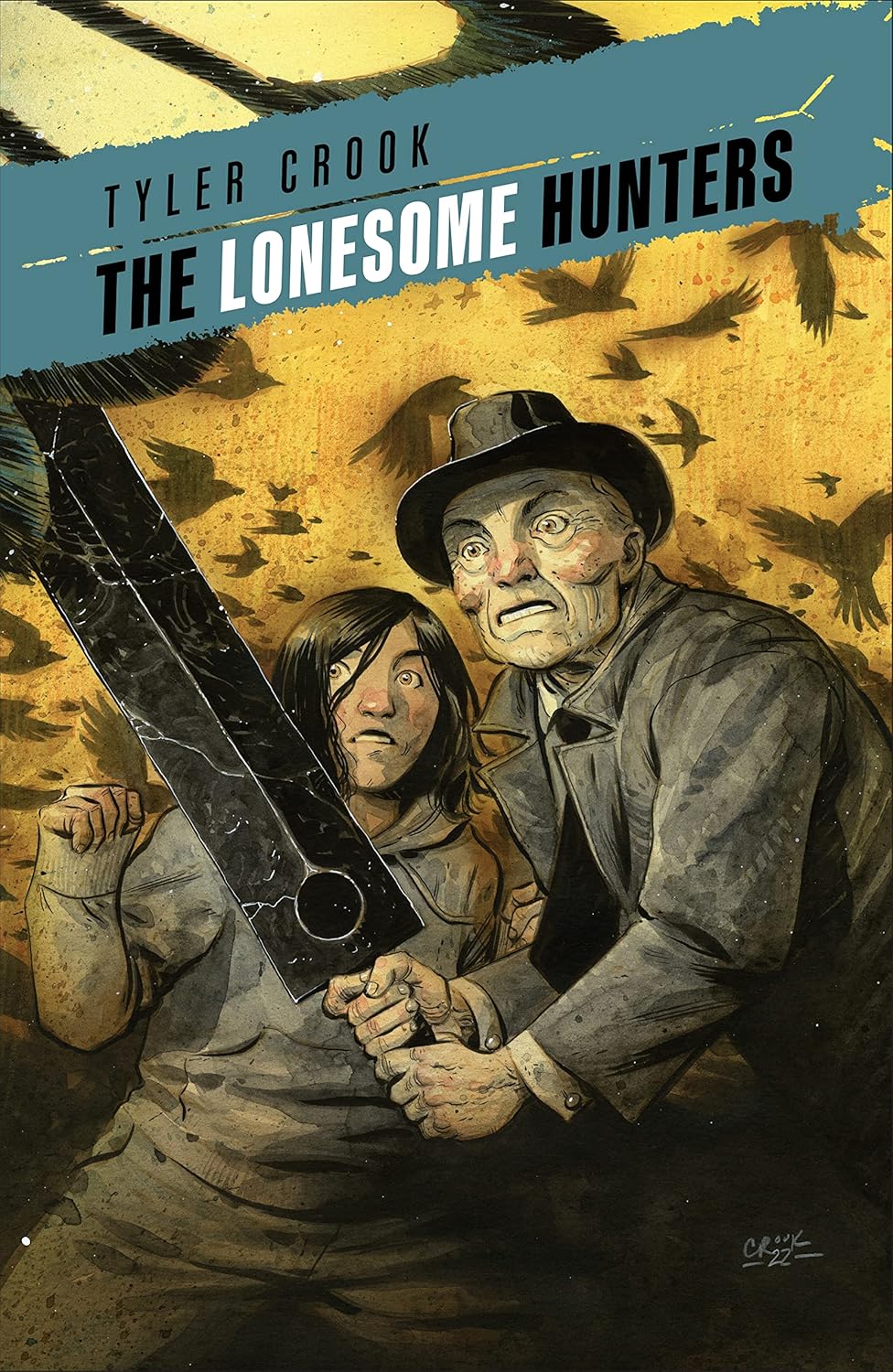
The Lonesome Hunters Vol. 1 came up as part of the conversation in this episode.
The Lonesome Hunters: The Wolf Child came up as part of the conversation in this episode.
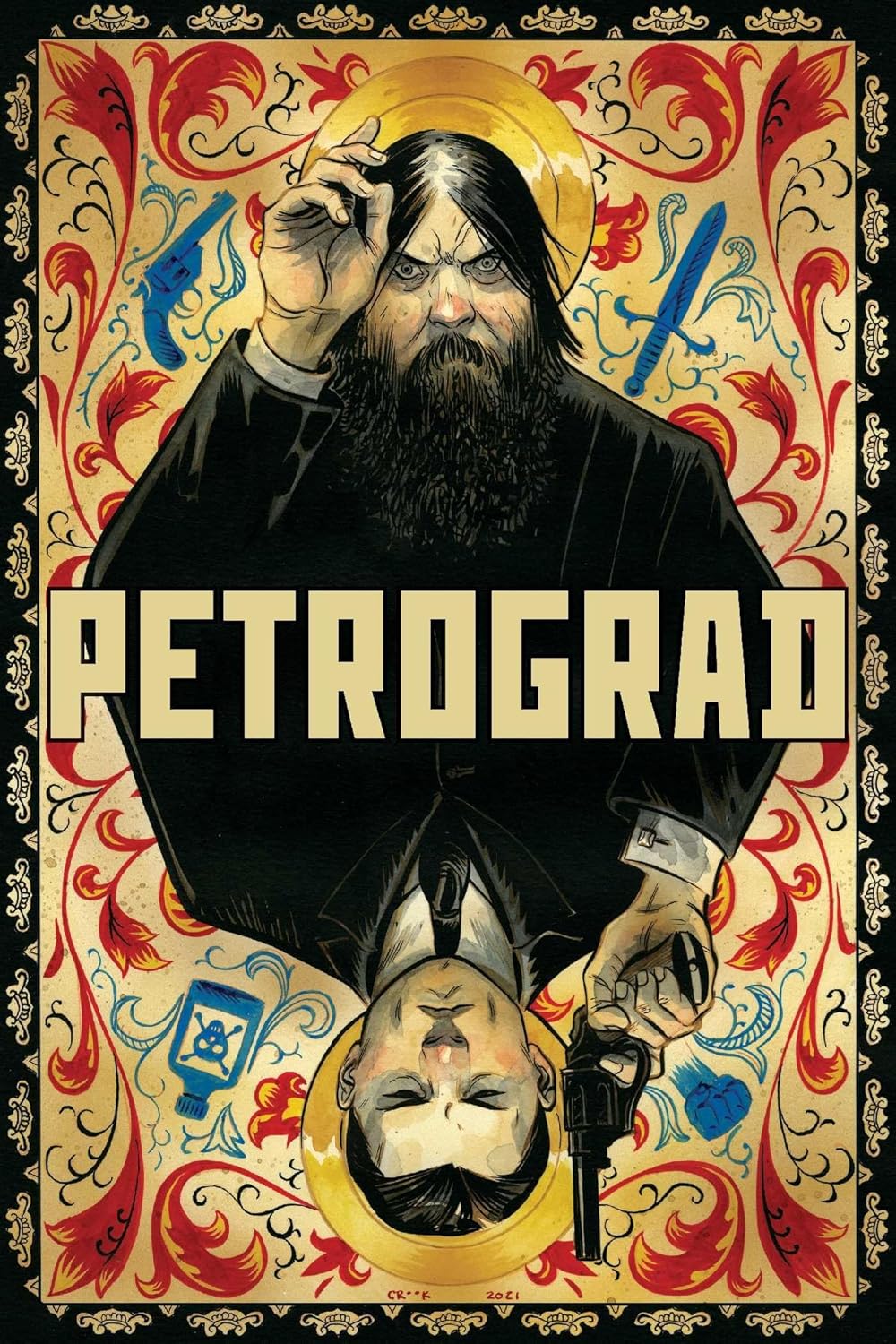
Petrograd came up as part of the conversation in this episode.

Out of Alcatraz came up as part of the conversation in this episode.
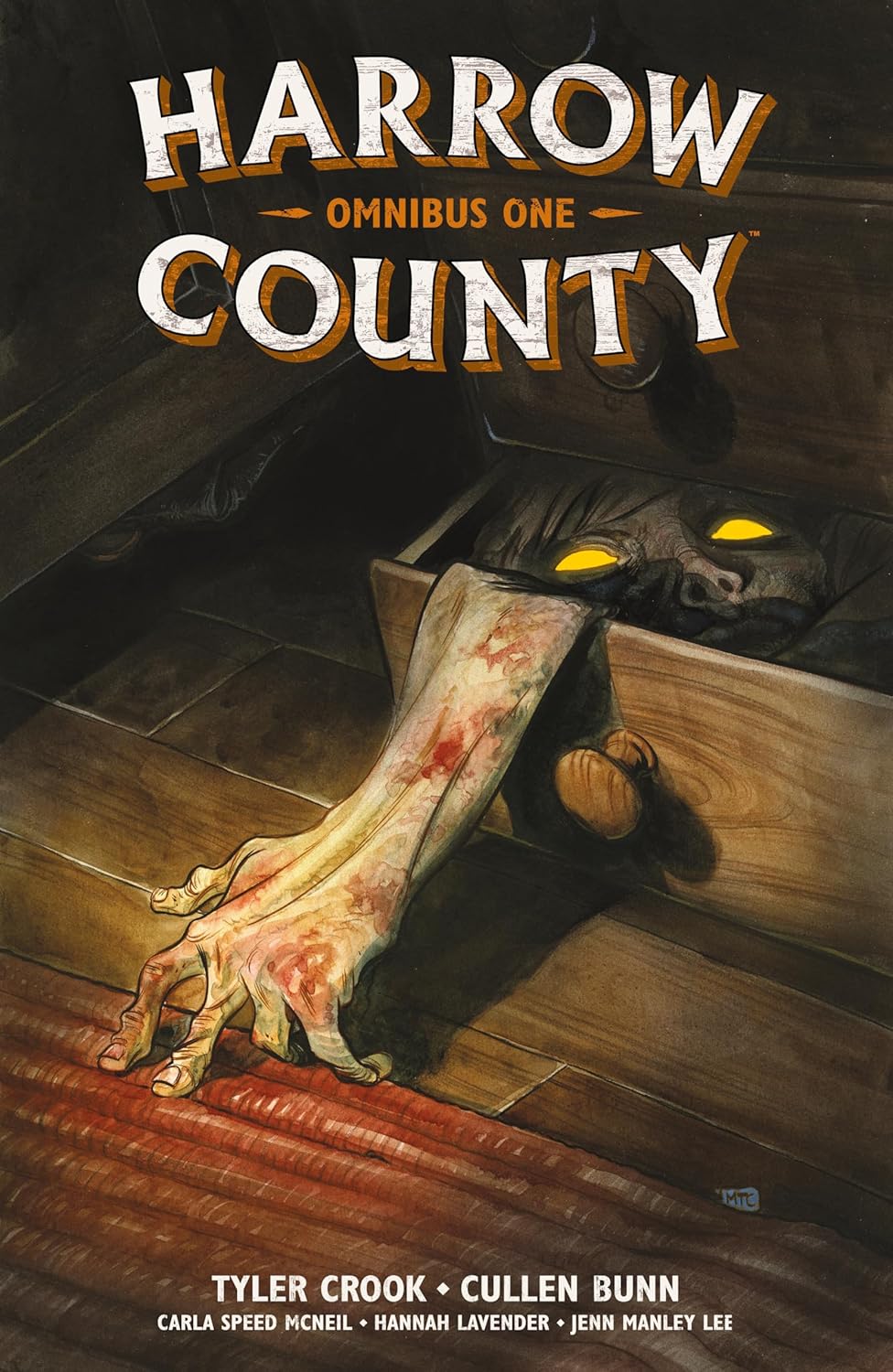
Harrow County came up as part of the conversation in this episode.
Crook’s debut graphic novel Petrograd won the Russ Manning Promising Newcomer Award and led directly to his work in the Mignolaverse on BPRD: Hell on Earth.
He developed a hand-painted workflow because he wanted the atmosphere and texture to feel tactile, and he discusses how that approach shaped books like Bad Blood and The Lonesome Hunters.
It is Crook’s Bram Stoker Award-winning creator-owned series about Howard, Lupe, and an ancient sword, built around flawed characters trying their hardest even when they are not naturally equipped for the job.
Crook and Christopher Cantwell imagine what happened after the 1962 Alcatraz escape, treating the book like noir horror where the real monster is the characters themselves.
Tyler Crook builds comics the way some artists build haunted houses: one practical detail at a time. A dresser missing a knob. Underwear sticking out of a drawer. A police station drawn correctly because he called a California library and asked what the building really looked like in 1962. In this earlier Splash Pages conversation, Crook walks through the work that made his career, the books that taught him to trust watercolor, and the slow road to becoming a full writer-artist on The Lonesome Hunters.
Crook talks openly about how long it took to make Petrograd, the debut book that won him the Russ Manning Promising Newcomer Award and opened the door to the Mignolaverse. What makes the story work is how unromantic it is: he survived the book largely because he did not yet understand how impossible it was supposed to feel.
I think the reason I was able to do this book was because I went in overly confident, and then my confidence dropped at the same rate that the pages were coming out. So by the time I was like, “I can’t do this,” the book was done. Luckily, I went in stupid. So I could come out smart, hopefully.
Tyler Crook on making Petrograd
That quote becomes the backbone of the episode. It is funny, but it also explains why this interview feels so useful for younger artists: Crook is clear that comics careers are often built before confidence catches up.
The conversation then turns to The Lonesome Hunters, the book Crook spent roughly a decade carrying before he felt ready to put it on the page. He explains what he learned from drawing scripts by John Arcudi, Cullen Bunn, Jonathan Maberry, and Jeff Lemire, and how all of that slowly turned into the confidence to write his own material.
It took me ten years to be able to write that first issue. It was that difficult.
Tyler Crook on The Lonesome Hunters
It is one of the strongest parts of the archive because it ties craft, patience, and self-doubt together without flattening any of them. Crook’s characters, especially Howard and Lupe, come out of that same philosophy: people trying their hardest even when they are not naturally built for the task in front of them.
One of the best craft stretches in the episode is Crook explaining how setting carries story. He wants every room to feel like it existed before the scene started and will keep existing after it ends. That shows up in his watercolor process, in his lettering decisions, and in the way his horror comics make place feel as important as plot.
I always want to make the time and place of a story feel very, very clear and distinct. Because I think that’s so much of any story. The setting is just really, really important to getting people immersed in the story.
Tyler Crook on atmosphere and world-building
That sense of place connects Petrograd, Harrow County, Bad Blood, and Out of Alcatraz. Even when the genre changes, the immersive logic does not.
The episode closes on Out of Alcatraz, Crook’s noir collaboration with Christopher Cantwell. He treats the historical jailbreak premise almost like a supernatural story, except the terror comes from the people and the decisions closing in around them.
I basically ended up treating it like a horror book without a monster in it. The monster is the characters.
Tyler Crook on Out of Alcatraz
That line is a perfect bridge into the rest of Crook’s catalogue. Whether he is drawing folk horror, prison noir, or mythic adventure, the emotional pressure inside the characters is what gives the page its shape.
Hosted by Leo Pond, Kari Sanders, and Drew Mollo.